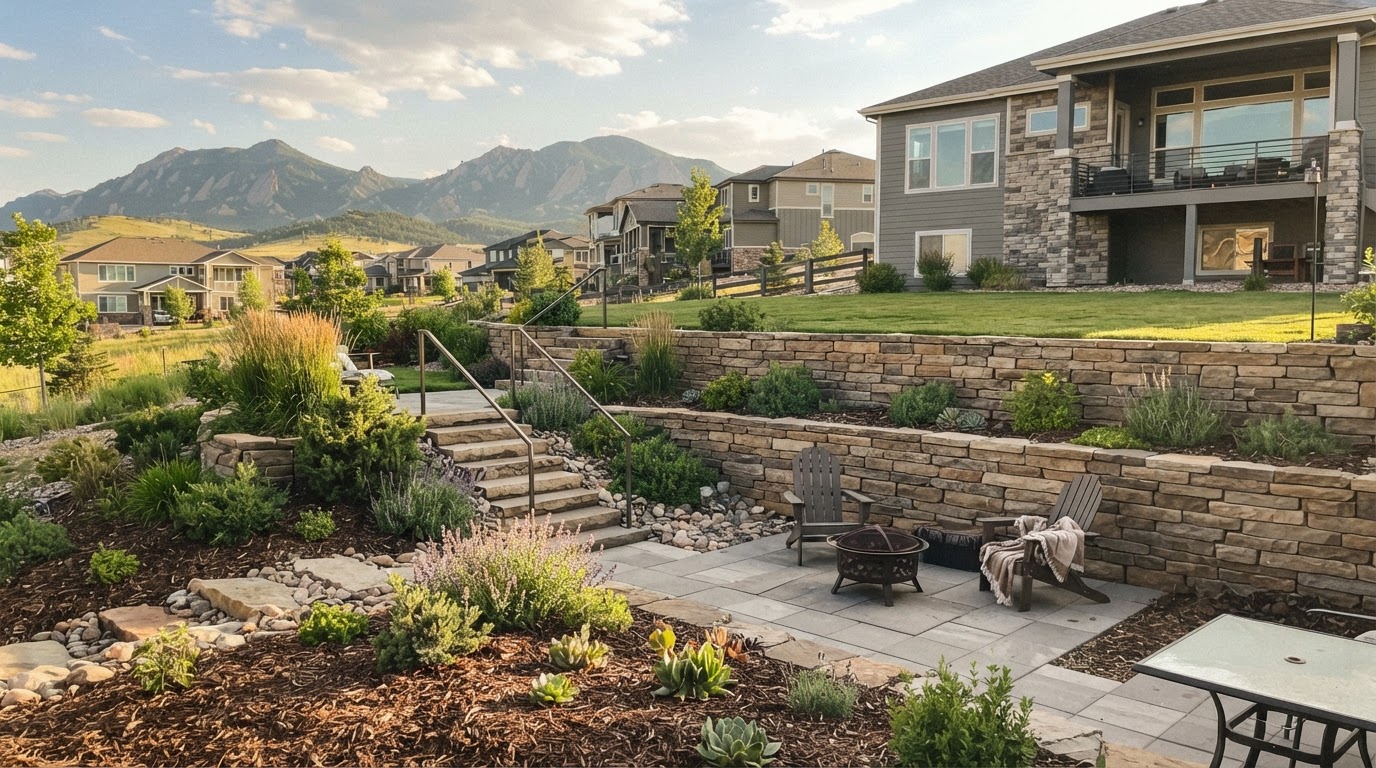
Practical Retaining Wall Solutions for Colorado Homes
Retaining walls are practical, long-term improvements built on proper planning, material selection, site preparation, and drainage.
Built on Planning, Materials, and Drainage
A retaining wall is only as reliable as the planning behind it. That means reading the slope, choosing the right material for the load and the look, preparing the site and base correctly, and building in drainage so water never builds up behind the wall. Each step matters because every step affects how the wall performs through Colorado’s freeze-thaw seasons.
We approach residential retaining walls as practical, long-term improvements, not just decorative features. The goal is a wall that stays straight, stable, and good-looking for years, supporting the landscape around it.
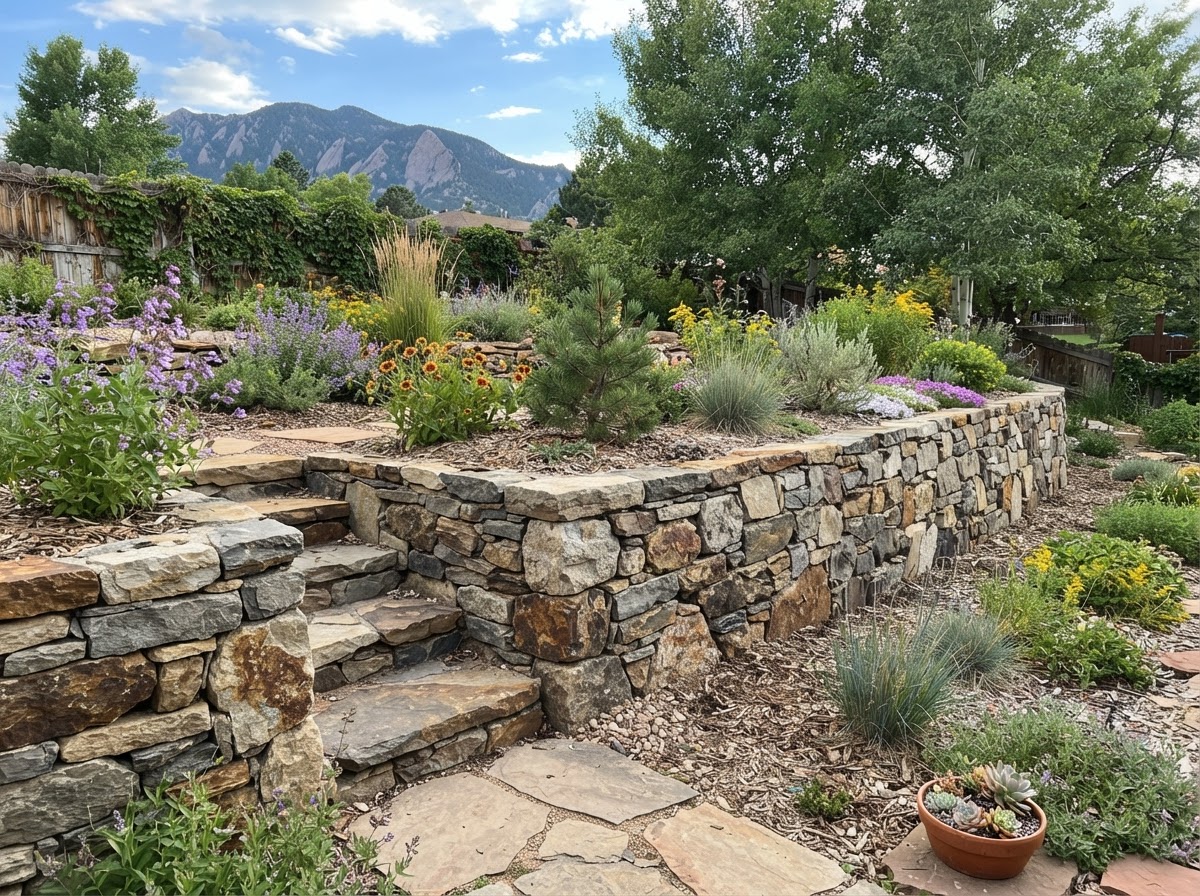
A Straightforward Process from Planning to Completion
Understand Your Property
We review the property layout, slope, and retaining wall requirements to understand what the wall needs to accomplish.
Plan the Project
We discuss suitable materials, design considerations, and drainage requirements so the wall is planned for the site.
Prepare and Construct
Site preparation, foundation considerations, and retaining wall construction are carried out to the agreed plan.
Final Review
We review the completed structure, surrounding landscape, and project finish before wrapping up the work.
Retaining Wall Questions, Answered
Questions about retaining walls in Westminster? Here are straightforward answers. For anything specific to your property, request an estimate.
What is the purpose of a retaining wall?
Which retaining wall material is best for residential properties?
When should a retaining wall be repaired or replaced?
What causes retaining walls to lean or crack?
Why is drainage important behind a retaining wall?
Can retaining walls be installed on sloped properties?
Ready to Transform Your Outdoor Space?
Tell us about your property and retaining wall project. Request an estimate to discuss the right approach for your Westminster landscape.